IV · About
our story
We built the reading experience we wished we had.
Roman Reads began with two friends, one unfinished classic, and a question: what if getting lost in a book never meant giving up on it?
the reader who kept going
the reader we built for
Chapter I · The handoff
One book, placed in a friend's hands
Ali brought the classics. Faizan brought the question.
Ali had long been the friend who read the difficult books first. Dostoevsky, especially. So when he gave Faizan Crime and Punishment, it was not homework. It was an invitation into a world Ali already loved.
Faizan wanted to enter it, too. But reading a dense classic the usual way meant long pages, losing his place, and losing the thread. Staying with the book was far harder than wanting to read it.
the curiosity was always there.
Chapter IV · The partnership
The founders
Ali & Faizan
one shared reading problem. one better way through. spread 02 / 02
Roman Reads
Est. 2026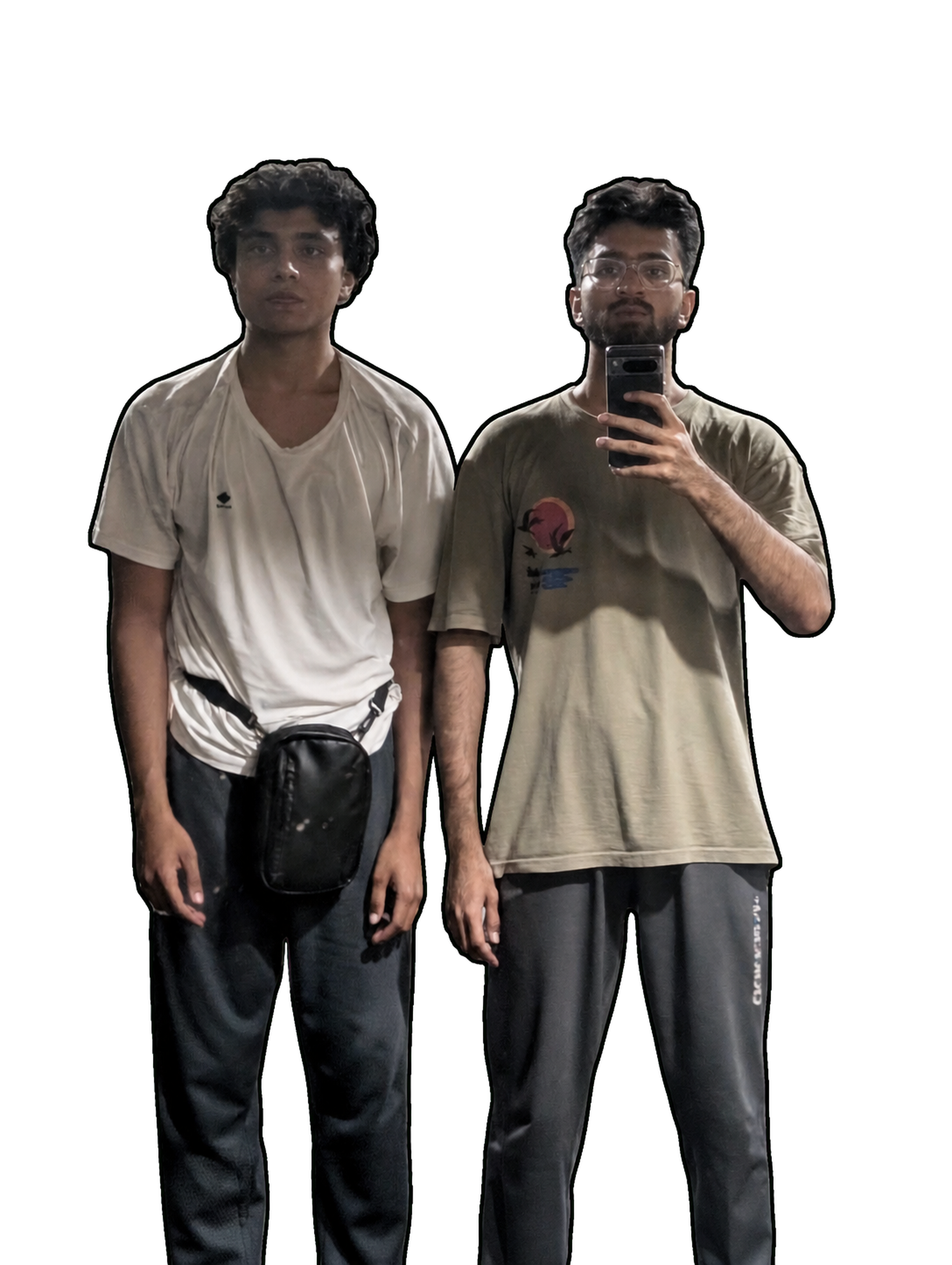 Two perspectives,
one place to read.
Est. 2026
Two perspectives,one place to read.
The recommender
Ali
Co-founder, software engineer, and the friend most likely to arrive with a book already picked out for you.
“Here, read this.”Crime and Punishment · Karamazov · Berserk
The reader we built for
Faizan
Co-founder, software engineer, and proof that a difficult book deserves more than one way in.
“Still reading it.”The Brothers Karamazov · p. 127
Founder I
RR
Ali
the friend with a reading list, who started the whole thing.
Reading logNo. 001
Alico-founder & software engineer, built this very website.
Also answers to“here, read this.”
TitleStatus
Crime and PunishmentagainFinished
One Hundred Years of SolitudeFinished
Berserk, Vol. 1–41yes, all of themFinished
One Piece, Vol. 1–108Finished
The Brothers KaramazovobviouslyRe-read ×3
…continued on log No. 004
LinkedIn, Ali
Founder II
RR
Faizan
the new reader, the one the wall was built in front of.
Reading logNo. 002
Faizanco-founder & software engineer, built the Roman Reads app.
Also answers to“still reading it.”(his answer, for months)
TitleStatus
The Brothers Karamazovbookmark: p. 127Unfinished
a lot of time passed here.
Crime and Punishment · Roman Reads ed.cover to coverFinished
The Brothers Karamazov, new edition in progress
LinkedIn, Faizan
AliReader I
Read it in a week
the reader who kept going
the reader who kept going
Reader's dossierno. 001
AliThe recommender · co-founder
“Here, read this.”
Software engineer and the friend who arrives with your next book already chosen. He built Roman Reads to make the handoff easier.
Crime & Punishmentre-read
The Brothers Karamazov×3
Berserkcomplete
FaizanReader II
Stayed on page 127
the reader we built for
the reader we built for
Reader's dossierno. 002
FaizanThe reason · co-founder
“Still reading it.”
Software engineer and proof that a difficult book deserves more than one way in. Every feature begins with one question: would this get him past page 127?
Karamazovp. 127
Crime & Punishmentfinished
Roman Readsin progress
Same book. One of us finished it in a week. One of us needed to build a company first.
Chapter V · The reason
A different way in is still a way in
The problem was never the classics. It was the doorway.
Later, Faizan learned that he has ADHD. It gave a name to an experience that had too often looked like giving up: the desire to read was there, but the format was working against him.
Ali and Faizan did not want anyone to miss the experience of a great book because print was not the right route on a particular day. That is why Roman Reads is built as an audiobook platform, with readers of different needs in mind: ADHD, dyslexia, visual or sensory needs, and anyone who simply takes in a story differently.
We do not lower the bar. We make another entrance.
Now listeningCrime and Punishment
Part One01Pause, replay, and keep your place.your pace
02Hear the story without losing its depth.same classic
03Come back whenever you are ready.no shame
readers